
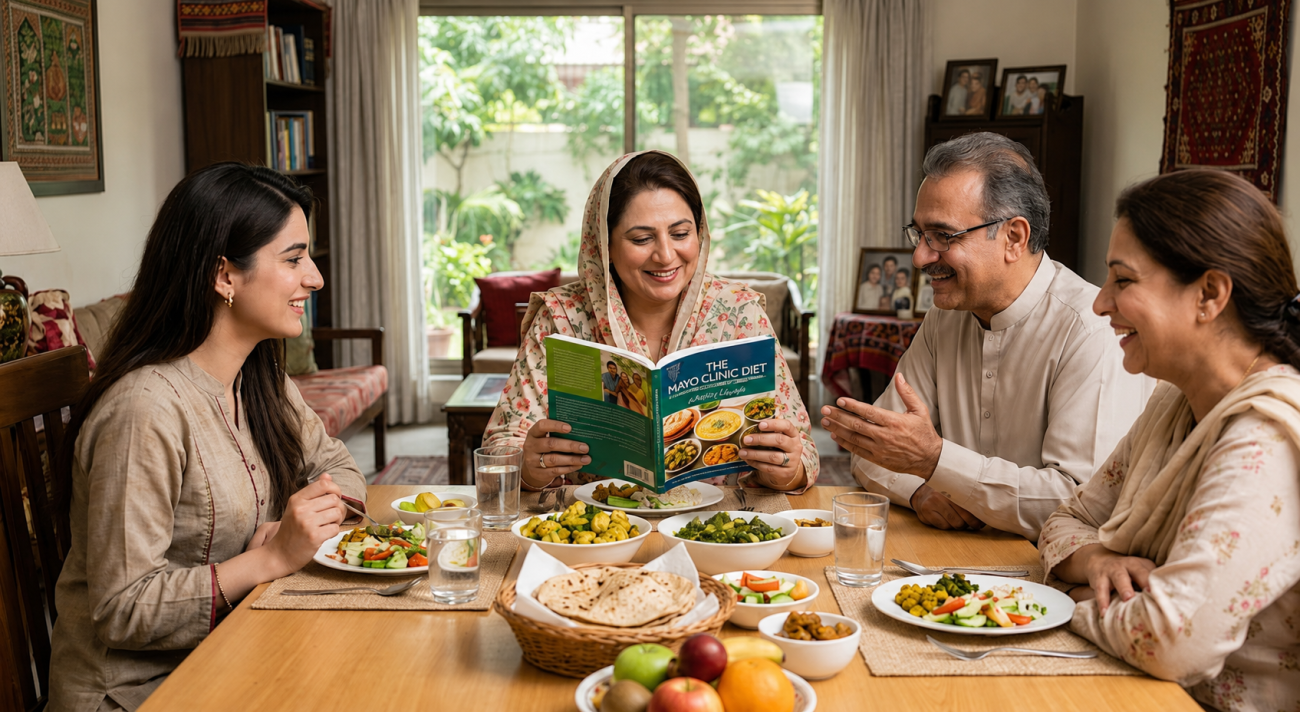
Losing weight often feels like a guessing game, especially with so many diets claiming instant results. The Mayo Clinic Diet takes a calmer, more reliable approach. Built by doctors and dietitians rather than internet trends, it focuses on sustainable weight loss instead of quick fixes that fade after a few weeks.
The plan works in two stages, an initial jumpstart followed by long-term habit formation, guided by a simple food pyramid rather than strict calorie math. For readers in Pakistan, small swaps like brown rice over white or grilled meat over fried can make this meal plan realistic without feeling restrictive. It’s less about punishment and more about portion control that actually lasts.
What Is the Mayo Clinic Diet?
The Mayo Clinic Diet is a structured eating and lifestyle program developed by the Mayo Clinic, a nonprofit medical center based in the United States. Unlike crash diets, it was designed by physicians, dietitians, and behavioral experts who wanted a plan grounded in actual research rather than trends. It doesn’t ask you to starve yourself or cut out entire food groups overnight.
For readers in Pakistan, this matters. Our diets already lean heavily on rice, roti, and fried snacks, so a plan built around gradual habit change fits our routines better than a rigid Western meal chart. The goal of this plan is simple: lose weight steadily while building habits that stick long after the “diet” part is over.
How Does the Mayo Clinic Diet Work?
The program runs in two connected stages, and understanding both is key to seeing real results. It’s less about counting every calorie and more about resetting your relationship with food first, then maintaining that reset for years.
The first two weeks focus on quick, visible change to keep you motivated, while everything after that focuses on habits you can realistically sustain. Together, these two phases form the backbone of the entire program, and skipping either one usually means the weight comes back.
Lose It!
The first phase lasts just two weeks and aims to help you drop up to six to ten pounds quickly. During this stage, you cut out added sugar, alcohol, and snacking between meals, while doubling down on fruits and vegetables. It works almost like a reset button for your appetite and cravings.
Mayo Clinic Healthy Weight Pyramid
This pyramid replaces the usual food pyramid you might remember from school. It puts fruits and vegetables at the base, meaning you can eat unlimited amounts of them, and gradually narrows toward fats, sweets, and red meat at the top, which should be eaten sparingly.
| Pyramid Level | Food Group | Daily Serving Guidance |
|---|---|---|
| Base | Vegetables | Unlimited |
| Base | Fruits | Unlimited |
| Middle | Carbohydrates (whole grains) | 4 or more servings |
| Middle | Protein and dairy | 3 to 7 servings |
| Middle | Fats | 3 to 5 servings |
| Top | Sweets | Under 75 calories, a few times a week |
Live It!
Once the first two weeks end, you move into the long-term phase. Here, you set a realistic weight goal and keep following the pyramid while adding regular physical activity and daily habit tracking. This phase can last for years, and honestly, it’s meant to become your new normal rather than something you eventually quit.
Mayo Clinic Diet Food List — What to Eat and Avoid
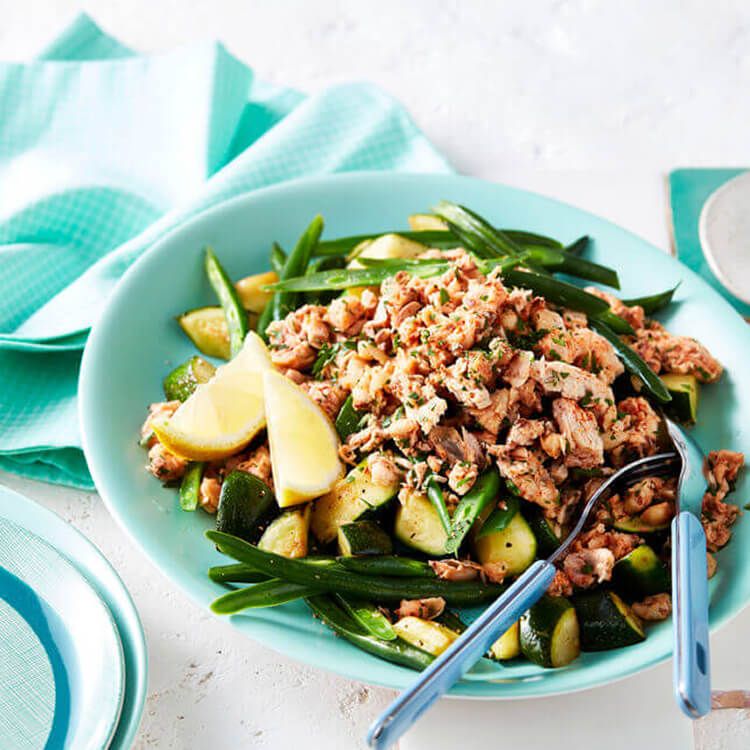
This food list centers on plant-based foods, lean protein, and whole grains, while sharply limiting refined carbohydrates and fried items. Vegetables and fruits form the bulk of every meal, followed by moderate portions of chicken, fish, legumes, and low-fat dairy.
For Pakistani households, this means swapping white rice for brown rice, choosing grilled tikka over fried karahi, and picking whole-wheat roti instead of naan loaded with ghee. Sodium intake also needs attention here, since our cooking often relies heavily on salt and pre-made masalas that push daily sodium far past healthy limits. Small swaps like these make the plan realistic without feeling like punishment.
Sample Mayo Clinic Diet Meal Plan
A typical day on this meal plan looks nothing like bland boiled chicken and lettuce. It’s built around foods you probably already have in your kitchen, just prepared and portioned a bit differently than usual.
The table below shows one sample day adapted for Pakistani tastes, keeping portion sizes and ingredient choices aligned with the Healthy Weight Pyramid described earlier.
| Meal | Sample Options |
|---|---|
| Breakfast | Vegetable omelet with whole-wheat toast, or oats with fruit |
| Lunch | Grilled chicken with a side of daal and a fresh salad |
| Dinner | Grilled fish or lean beef with steamed vegetables and one roti |
| Snacks | A handful of roasted chana, fresh fruit, or plain yogurt |
Breakfast

Start the day with protein and fiber rather than paratha and tea alone. Vegetable omelets, oats, or Greek-style yogurt with fruit keep you full for longer and avoid the mid-morning energy crash that fried breakfasts often cause.
Lunch
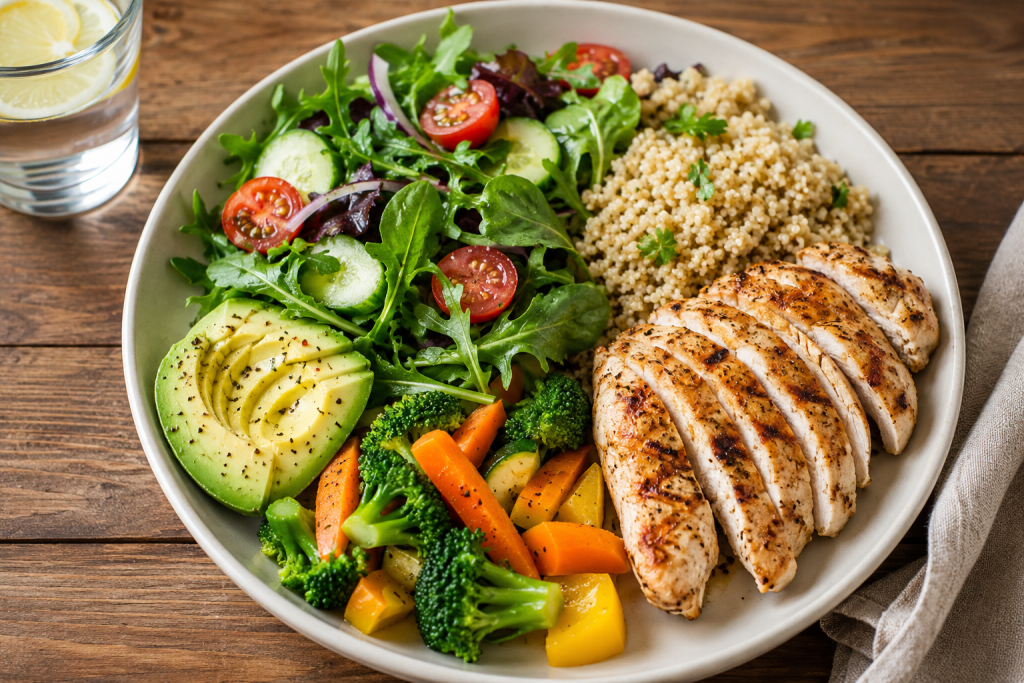
Lunch should combine lean protein with vegetables and a small portion of carbohydrates. A bowl of daal, grilled chicken breast, and a fresh cucumber-tomato salad covers most of your nutrient needs without leaving you sluggish afterward.
Dinner
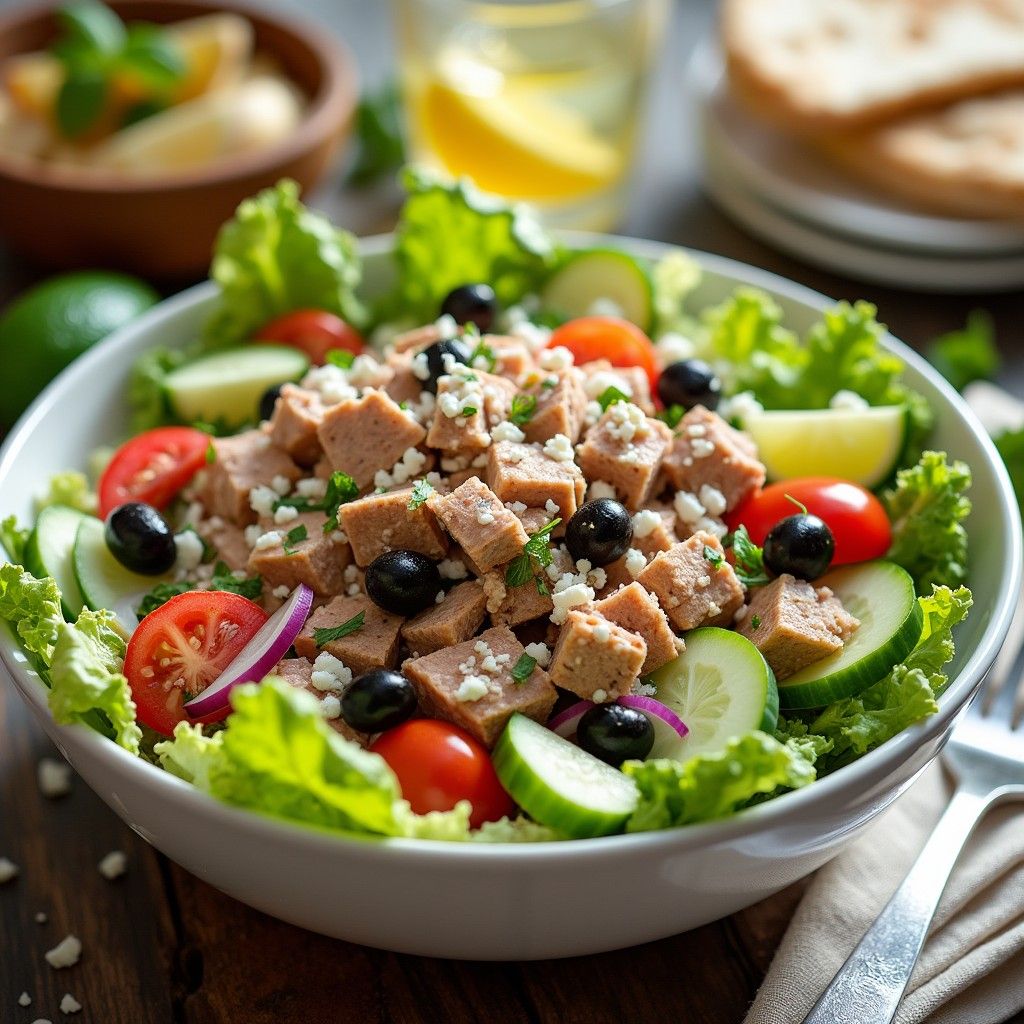
Keep dinner lighter than lunch, since your body needs less fuel closer to bedtime. Grilled fish or lean beef paired with steamed seasonal vegetables and a single roti works well and still feels satisfying.
Snacks

Snacking isn’t banned on this plan, it’s just smarter. Roasted chana, a piece of fruit, or a small bowl of plain yogurt curb hunger between meals without adding excess calories from fried snacks like samosas or pakoras.
Benefits of the Mayo Clinic Diet
Beyond the number on the scale, this plan offers real health improvements backed by clinical research. Regular followers often see better cholesterol readings, more stable blood sugar, and lower blood pressure over just a few months.
That last point carries extra weight in Pakistan, where diabetes and heart disease rates are among the highest in the region. Because the Mayo Clinic Diet avoids extreme restriction, it also tends to have far better long-term adherence than fad diets, which is really where most weight-loss attempts fail.
Are There Any Risks or Side Effects?
Like any change in eating habits, the first two weeks can bring mild fatigue or hunger as your body adjusts to fewer processed foods and less sugar. This usually passes once your appetite recalibrates, typically within a few days.
People managing diabetes, kidney conditions, or other chronic illnesses should talk to a doctor before starting, since portion and carbohydrate targets may need adjusting. As one Mayo Clinic dietitian put it during a program overview, “sustainable weight loss comes from consistency, not intensity,” which is a good reminder before diving in headfirst.
Mayo Clinic Diet vs Other Popular Diets
Comparing this plan against other well-known diets helps put things into perspective, especially for readers weighing several options at once. The table below lines up the Mayo Clinic Diet against three diets commonly discussed in Pakistan right now.
| Diet | Approach | Sustainability | Cost in Pakistan |
|---|---|---|---|
| Mayo Clinic Diet | Balanced, pyramid-based, gradual | High | Low to moderate |
| Keto Diet | Very low carb, high fat | Low to moderate | Moderate to high |
| Mediterranean Diet | Plant-based, olive oil focused | High | Moderate |
| Intermittent Fasting | Time-restricted eating | Moderate | Low |
Where the Mayo Clinic Diet stands out is flexibility. It doesn’t demand rare ingredients like extra virgin olive oil at every meal, nor does it force long fasting windows that clash with iftar and sehri timings during Ramadan.
Tips to Get Maximum Results
Meal prepping over the weekend saves you from last-minute unhealthy choices during a busy workweek. Cooking daal, grilling chicken, and chopping vegetables in advance means dinner takes minutes instead of an hour.
Pairing the diet with light physical activity, even a thirty-minute daily walk, speeds up results noticeably. Tracking meals in a simple notebook or app also keeps you honest, and staying mindful during family dawats or weddings, where fried food is unavoidable, helps prevent one event from undoing a full week of progress.
Frequently Asked Questions (FAQs)
Is the Mayo Clinic Diet suitable for Pakistani food habits? Yes, with small swaps like brown rice instead of white and grilled meat instead of fried, the plan adapts easily to local meals.
How much weight can you lose on the Mayo Clinic Diet? Most people lose six to ten pounds in the first two weeks, then one to two pounds weekly during the long-term phase.
Is the Mayo Clinic Diet free, or does it need an app or subscription? The core principles are free to follow using the Healthy Weight Pyramid, though Mayo Clinic also sells an optional paid app and books with extra tools.
Can diabetics follow the Mayo Clinic Diet? Generally yes, but portion sizes for carbohydrates should be reviewed with a doctor or dietitian first, since individual needs vary.
How long before you see results? Most people notice visible changes within the first two weeks, with steadier, longer-term results building over the following months.
Final Verdict Is the Mayo Clinic Diet Right for You?
The Mayo Clinic Diet works best for people who want gradual, lasting weight loss rather than a quick fix before a wedding. Busy professionals, families, and anyone tired of yo-yo dieting will likely find its structure easy to stick with over time.
It’s probably not the right fit if you’re chasing rapid, dramatic weight loss in just a few weeks. For most Pakistani readers though, this plan offers a realistic, medically grounded path to a healthier weight. As always, checking in with a nutritionist before starting any new eating plan is a smart first step.
