
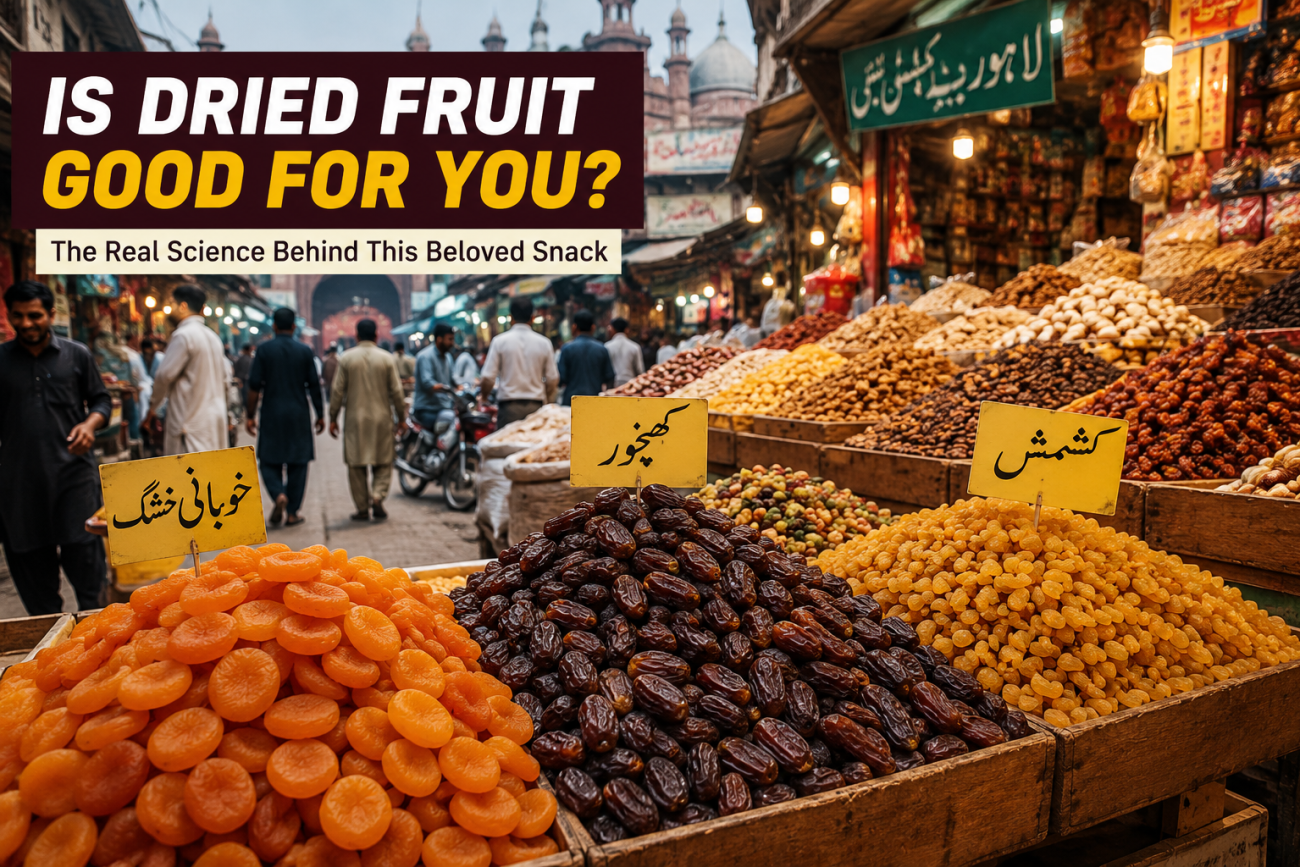
Walk through any bazaar in Pakistan during winter, and you’ll spot mountains of khubani, khajoor, and kishmish stacked high on wooden carts. Dried fruit has been part of our kitchens for generations, yet many people still wonder if it’s actually good for you or just sugar in a chewy disguise. The truth sits somewhere in between.
Dried fruit goes through a drying process that concentrates its natural sugar, fiber, and antioxidants, making it more calorie-dense than fresh fruit. It also offers real nutrient density, packing potassium, folate, and plant compounds into every small handful. Understanding portion size, ingredient labels, and which varieties actually support gut health makes all the difference between a smart snack and a sugary trap.
What Is Dried Fruit?
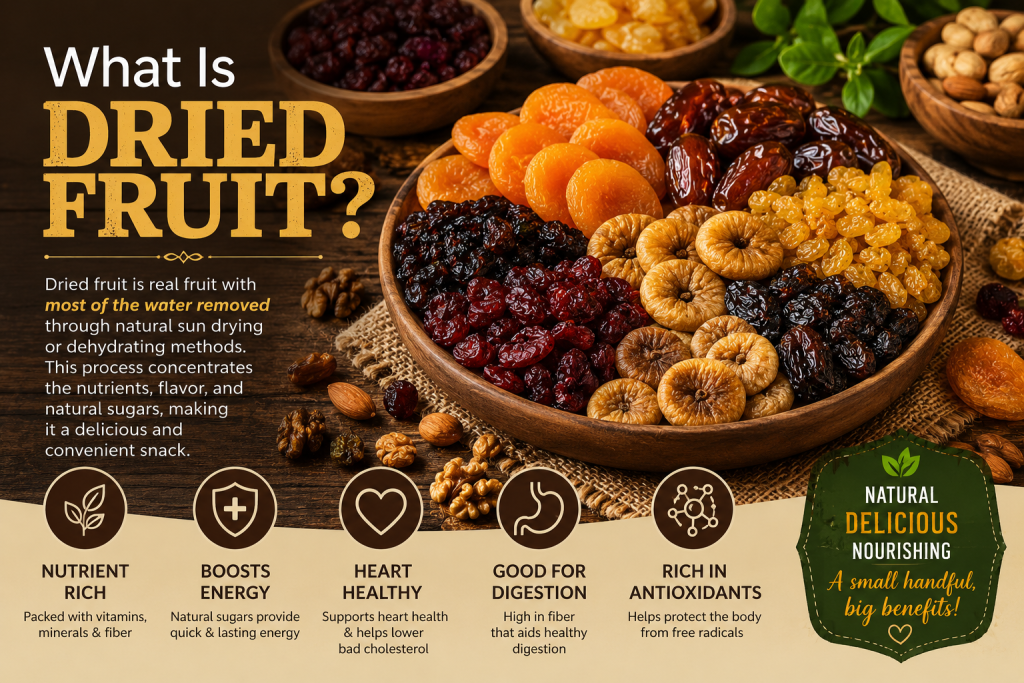
Dried fruit starts life as regular fresh fruit. It then goes through a drying process that removes most of its water content, either through sunlight, hot air, or modern dehydration machines. This concentrates the natural flavor and sugar, giving you that chewy, intensely sweet bite we all know from khajoor and anjeer.
Because the water is gone, dried fruit becomes far more shelf-stable than its fresh counterpart. That’s exactly why your dadi’s pantry always has a jar of kishmish tucked away. It travels well, lasts for months, and needs no fridge. This makes it a favorite snack across Pakistani households, especially during Ramzan iftar spreads and winter get-togethers.
Nutritional Profile of Dried Fruit
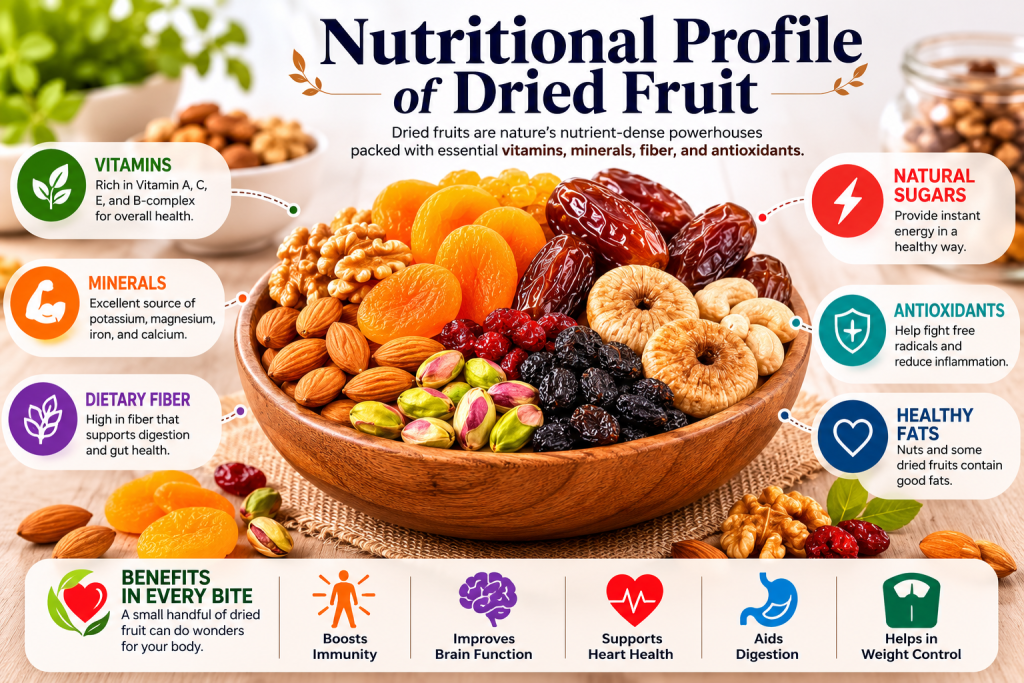
Dried fruit packs a surprising amount of nutrition into a small handful. It remains a solid source of vitamins and minerals, particularly potassium and folate (vitamin B9). Potassium supports healthy blood pressure, while folate helps your body build new cells. Most dried fruits also carry a good dose of vitamin A, which keeps your eyes and skin healthy.
The catch? Vitamin C takes a hit during processing, since heat destroys it easily. On the flip side, fiber content actually increases per gram because the fruit shrinks down. Here’s a quick comparison of common dried fruits per quarter cup serving:
| Dried Fruit | Calories | Fiber | Potassium | Natural Sugar |
|---|---|---|---|---|
| Khubani (Apricots) | 78 | 2.4g | 380mg | 14g |
| Khajoor (Dates) | 111 | 3.2g | 334mg | 27g |
| Kishmish (Raisins) | 108 | 1.4g | 322mg | 25g |
| Anjeer (Figs) | 93 | 3.7g | 271mg | 20g |
This table shows why portion control matters so much with dried fruit. The nutrient density is impressive, but so is the calorie count once you eat past a small handful.
Health Benefits of Eating Dried Fruit
Dried fruit brings real health perks to your table, and the research backs this up. It’s loaded with antioxidants, compounds that fight cell damage caused by oxidative stress. This matters because oxidative stress plays a role in heart disease, diabetes, and even certain cancers. A small handful of dried apricots or prunes can deliver more antioxidant punch than the same weight in fresh fruit.
Beyond antioxidants, dried fruit supports your gut health in a meaningful way. Much of its fiber acts as prebiotic fiber, meaning it feeds the good bacteria living in your microbiome. A balanced gut microbiome has been linked to lower inflammation and better digestion overall. Many nutritionists in Pakistan now recommend a small serving of dried fruit as a natural way to support digestive wellness, especially during heavy meal seasons like Eid.
Healthiest Dried Fruits You Can Eat
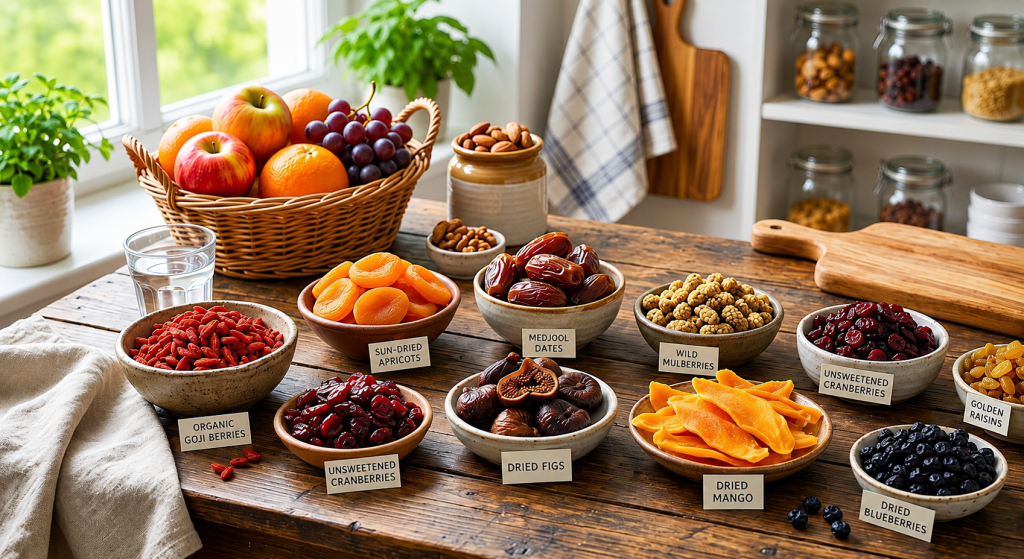
Not all dried fruits offer equal benefits, so let’s look at the standout options you can find at your local karyana store.
Khubani, Khajoor, Anjeer, and Kishmish: The Local Favorites
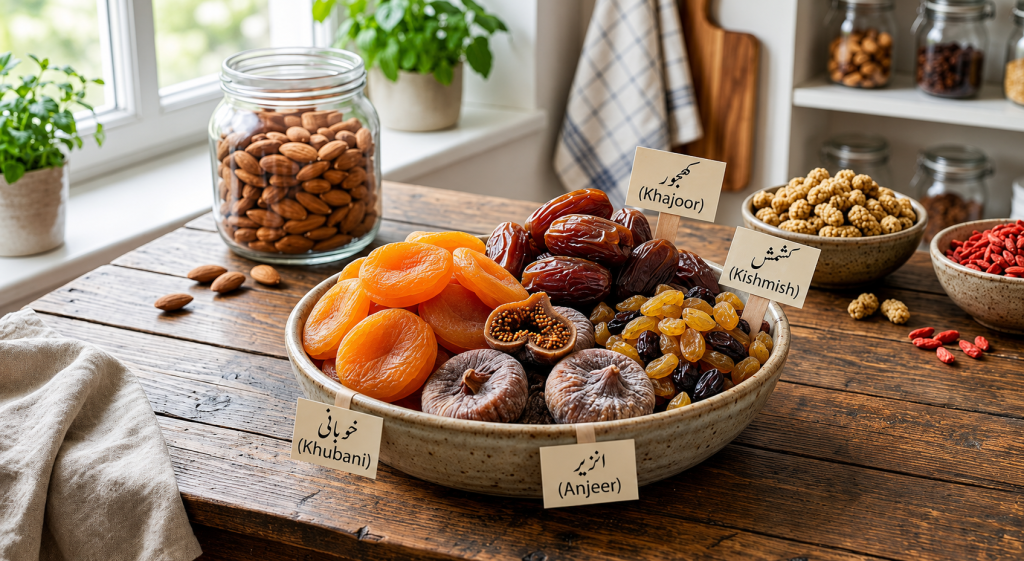
Khubani (dried apricots) bring strong prebiotic fiber along with plant compounds called polyphenols that support brain function. Khajoor (dates) top the charts for antioxidants and potassium, with Medjool dates carrying nearly fifty percent more potassium than a banana. Anjeer (figs) offer insoluble fiber, which helps with regular bowel movements and may ease constipation linked to IBS. Kishmish (raisins) round things out with polyphenols that may help lower blood pressure and cholesterol over time. Dried cranberries and prunes also deserve a spot on your plate, since cranberries support urinary tract health while prunes act as a gentle, natural laxative thanks to their sorbitol content.
Dried Fruit vs. Fresh Fruit — Which Is Better?
This debate never really ends, and honestly, both have their place in a healthy diet. Fresh fruit wins on hydration since it still holds most of its water content. It also arrives naturally free of additives, unlike some packaged dried fruit sold with added sugar or coatings. Dried fruit, though, wins on convenience and travels far better in a lunchbox or office bag.
| Factor | Fresh Fruit | Dried Fruit |
|---|---|---|
| Water content | High | Very low |
| Calorie density | Lower | Higher |
| Shelf life | Days | Months |
| Portability | Moderate | Excellent |
| Additives | None | Sometimes present |
The real verdict comes down to balance. Use fresh fruit as your daily base, and treat dried fruit as a concentrated topping or snack rather than your main fruit source.
Dried Fruits to Limit or Avoid
Not every packet of dried fruit on the shelf deserves a spot in your cart. Many commercial brands load their products with added sugar or artificial sweeteners to mask natural tartness, especially in dried cranberries and mangoes. This turns a healthy snack into something closer to candy, so always flip the packet and check the ingredient label before buying.
Preservatives are another concern worth watching. Ingredients like potassium sorbate, sodium benzoate, and sulfites (sulfur dioxide) show up often in commercially dried fruit to preserve color and extend shelf life. Sulfites in particular can trigger allergy or asthma symptoms in sensitive people. Whenever possible, choose dried fruit labeled unsweetened and preservative-free, or better yet, sun-dry your own khubani and anjeer at home the traditional way.
How Much Dried Fruit Should You Eat Daily?
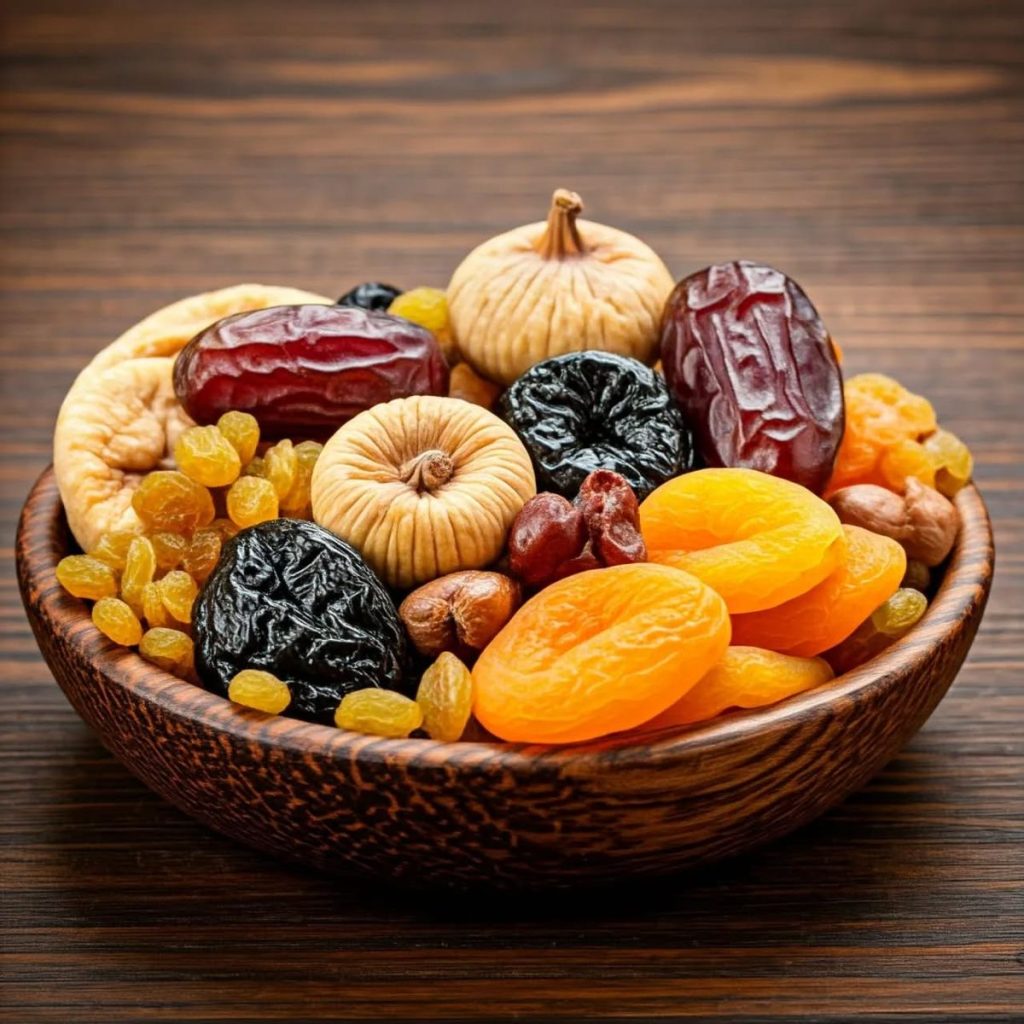
How much dried fruit should you eat without overdoing it? Most dietary guidelines point to roughly a quarter cup per day as a safe, healthy portion. Think of it as one small mutthi, or handful, rather than a full bowl. This amount fits comfortably into a balanced diet without pushing your sugar or calorie intake too high.
A quarter cup of dried fruit equals about half a cup of fresh fruit in nutritional terms. So if you eat dried khajoor for iftar, try to balance the rest of your day with fresh seasonal fruit like guava or oranges. Sprinkle a small portion over oatmeal, daal, or yogurt rather than snacking straight from the bag, since that habit makes portion control much harder to manage.
Who Should Be Careful With Dried Fruit?
Dried fruit and diabetes is a common concern among Pakistani readers, given how widespread the condition is across the country. The good news is that most people with diabetes can still enjoy small amounts of unsweetened dried fruit. Research actually suggests raisins and other dried fruits may help stabilize blood sugar levels by supporting steady insulin release after meals.
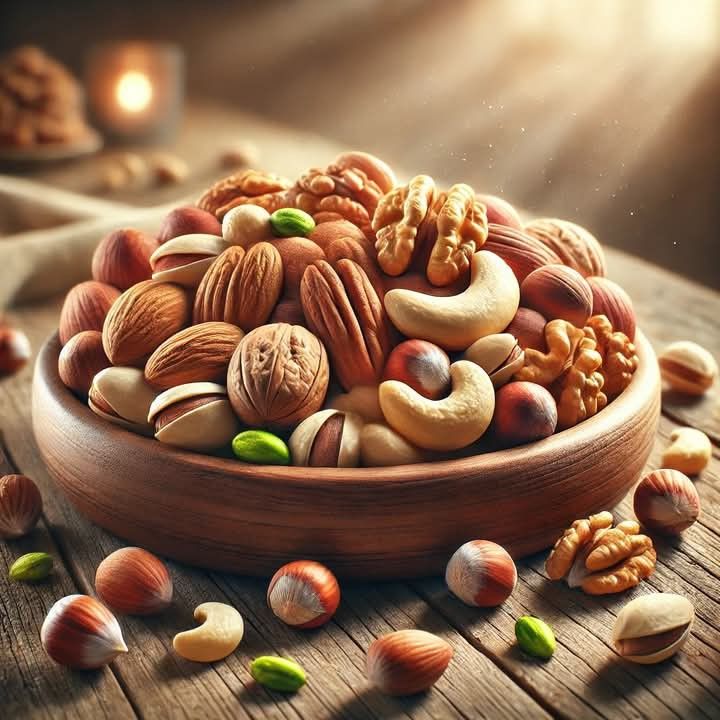
That said, everyone responds differently, so who should limit dried fruit intake depends on individual health status. People managing weight loss, prediabetes, or digestive conditions like IBS should stick to smaller, spaced-out portions. Pairing dried fruit with protein or healthy fats, such as a few almonds, can further help keep blood sugar steady throughout the day.
Best Ways to Add Dried Fruit to Your Diet
Getting more dried fruit into your meals doesn’t require a complicated plan. Toss a spoonful of chopped khajoor and kishmish into your morning daliya or oatmeal for natural sweetness without refined sugar. Add anjeer or apricots to your evening chai spread as a healthier alternative to biscuits, giving you that satisfying chewy texture you crave.
Dried fruit also shines in savory Pakistani cooking, not just desserts. Stir a few dried apricots into pulao or qorma for a subtle sweetness that balances rich spices. Sheer khurma, a beloved Eid dish, already leans on dried fruit for flavor, so simply reducing the added sugar there makes it noticeably healthier without losing that festive taste.
Frequently Asked Questions (FAQs)
1: Is dried fruit good for you every day?
Yes, unsweetened dried fruit is safe to eat daily in small amounts. Stick to about a quarter cup per day as part of a balanced diet, and pair it with fresh fruit for the best nutritional balance.
2: Which dried fruit is healthiest?
Khajoor, khubani, anjeer, and kishmish rank among the healthiest options. Each offers strong antioxidants, fiber content, and potassium, though dates and apricots tend to lead in overall nutrient density.
3: Can diabetics eat dried fruit?
Most people with diabetes can enjoy small portions of unsweetened dried fruit. Research suggests it may even help stabilize blood sugar levels, but portion control and pairing it with protein still matters.
4: Is dried fruit healthier than fresh fruit?
Both offer benefits. Fresh fruit wins on hydration and stays naturally free of added sugar, while dried fruit provides more concentrated fiber and antioxidants per bite, along with better shelf-stable convenience.
5: Does dried fruit cause weight gain?
Overeating dried fruit can contribute to weight gain, since it’s calorie-dense compared to fresh fruit. Sticking to a small handful daily prevents this while still delivering real dried fruit health benefits.
