
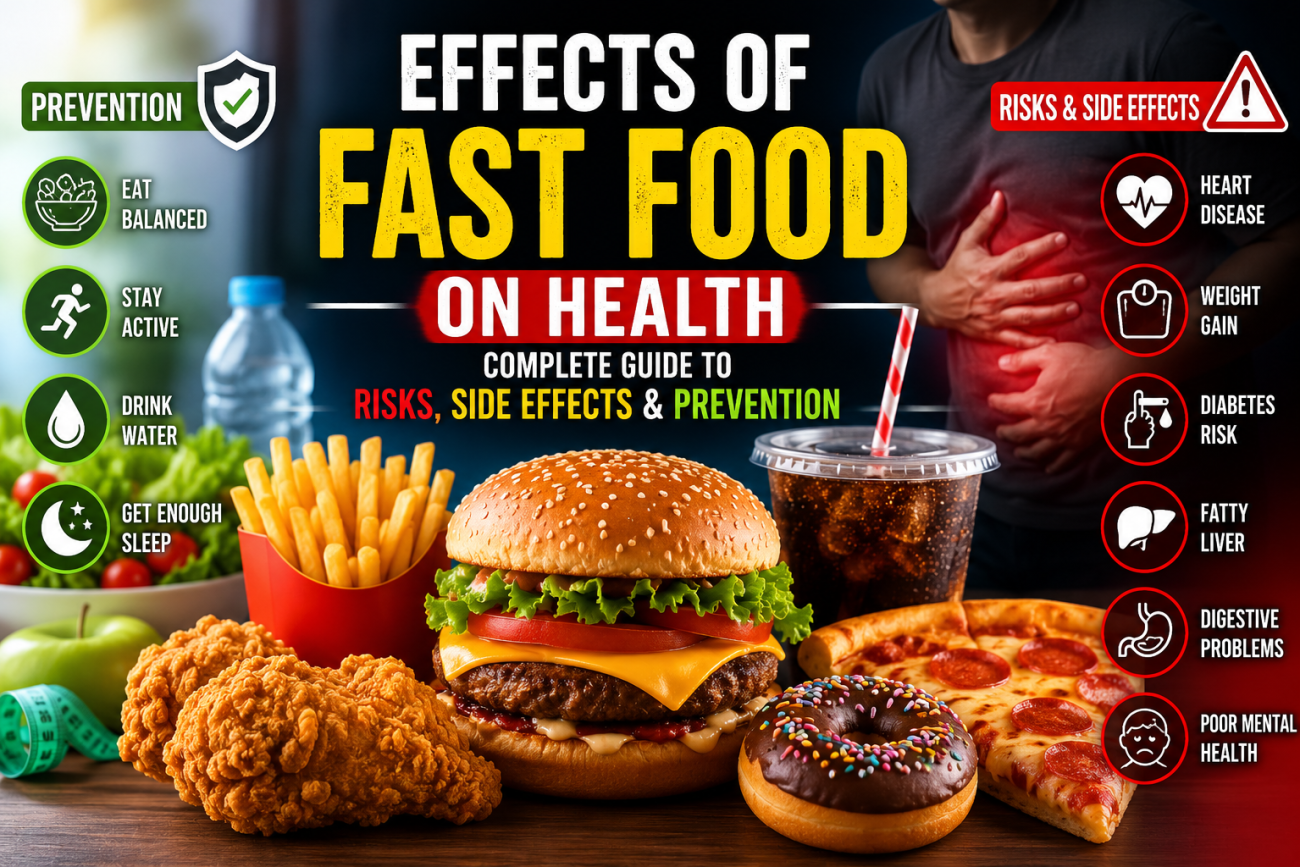
Junk food has become a major part of modern life because it is cheap, tasty, and quickly available. Many people in Pakistan regularly eat burgers, fries, pizza, and other processed foods without realizing their harmful effects. Most junk foods contain unhealthy fats, added sugar, and empty calories that slowly damage the body. Regular fast food consumption may increase the risk of obesity, diabetes, and heart problems.
Although these meals satisfy cravings for a short time, they provide very little nutrition. Over time, poor eating habits can weaken energy levels, reduce immunity, and create serious health complications that affect both children and adults.
What Is Fast Food and Why Is It So Popular?
Fast food refers to meals prepared quickly and served in restaurants, cafes, or through delivery services. These meals usually include burgers, fried chicken, pizza, sandwiches, fries, and soft drinks. Most items contain refined carbohydrates, unhealthy fats, and low-quality processed ingredients. People love these foods because they are cheap, tasty, and easily available everywhere.
In Pakistan, fast food popularity has exploded because of changing lifestyles. Young people prefer drive-thru meals, takeout food, and quick snacks instead of homemade meals. Social media advertising and food apps also influence eating habits. Sadly, this growing trend is creating an unhealthy lifestyle and increasing public health concerns across the country.
Nutritional Value of Fast Food

Most fast food meals are full of empty calories and provide very little nutrition. A single burger meal with fries and soda may contain huge amounts of sodium intake, trans fats, and refined sugar. These meals usually lack vitamins, minerals, and fiber that the body needs daily. As a result, people feel full for a short time but remain undernourished internally.
The table below shows the nutritional problems commonly found in fast food meals:
| Fast Food Ingredient | Possible Health Effect |
| Sugary beverages | high blood sugar, obesity |
| Fatty foods | heart disease, weight gain |
| Excess sodium | hypertension, swelling |
| Artificial additives | digestive discomfort |
| Low fiber diet | constipation and poor digestion |
Frequent eating of these foods can disturb calorie intake balance and increase the risk of several health problems over time.
How Fast Food Affects the Digestive System
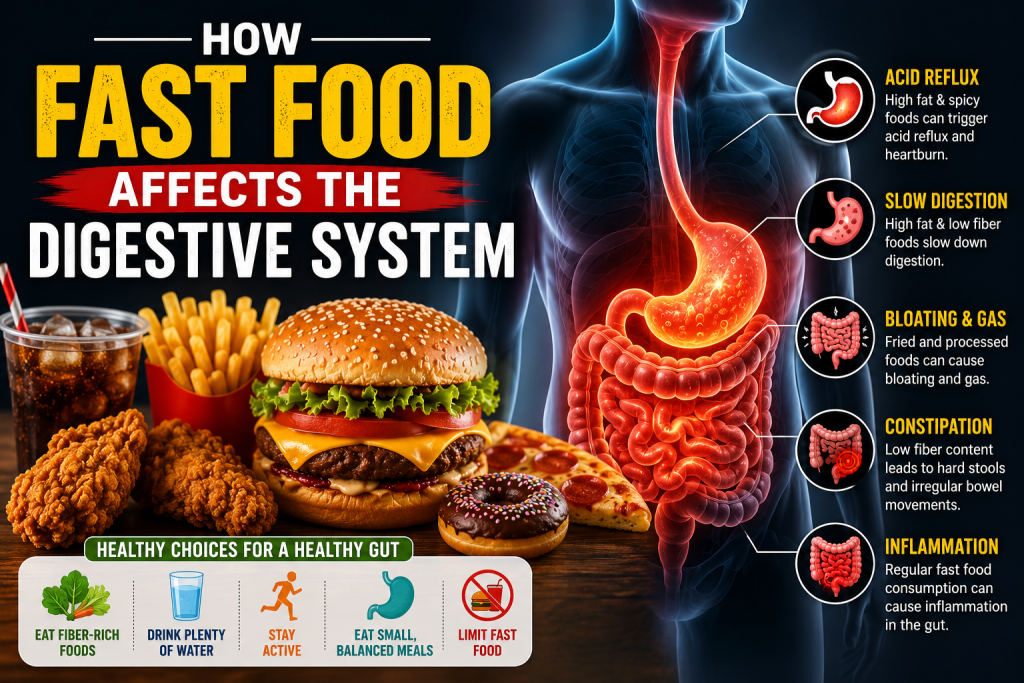
Fast food damages the stomach and intestines because most meals contain very little fiber. A low fiber diet slows carbohydrate digestion and weakens gut health. Fried and greasy foods also trigger acidity, bloating, and painful stomach discomfort. Many people experience serious digestive system issues after eating spicy or oily fast food regularly.
The body reacts quickly when large amounts of sugar enter the bloodstream. A sudden glucose spike forces the body to increase insulin release to control rising blood sugar levels. Over time, repeated spikes affect pancreas function and may lead to insulin resistance or even type 2 diabetes. Poor eating patterns also weaken overall digestive health and metabolism.
Effects of Fast Food on Heart and Cardiovascular Health
Fast food places heavy pressure on the heart because it contains huge amounts of unhealthy salt and fats. Excessive sodium retention causes water retention, making people feel bloated and tired. Too much sodium also increases the risk of hypertension and other dangerous blood pressure problems that may slowly damage arteries.
Many fried meals contain trans fats that increase LDL cholesterol while lowering HDL cholesterol. This imbalance harms the cardiovascular system and raises the chances of coronary heart disease. Doctors also warn that long-term fast food intake can increase stroke risk and reduce overall cardiovascular health significantly.
Impact of Fast Food on Weight Gain and Obesity
Fast food is one of the biggest causes of modern weight gain because it contains oversized portions and hidden calories. Most burgers, fries, and pizzas include unhealthy oils, sugar, and refined flour that quickly increase body fat. Combined with a sedentary lifestyle, these eating habits create a high obesity risk among adults and children.
Pakistan is also facing rising cases of childhood obesity because children consume more fries, nuggets, and sodas than healthy homemade foods. Many experts believe the influence of the western diet and reduced physical activity are major causes. Obesity not only affects appearance but also increases risks of diabetes, fatigue, and breathing difficulties.
Effects of Fast Food on Mental Health and Brain Function
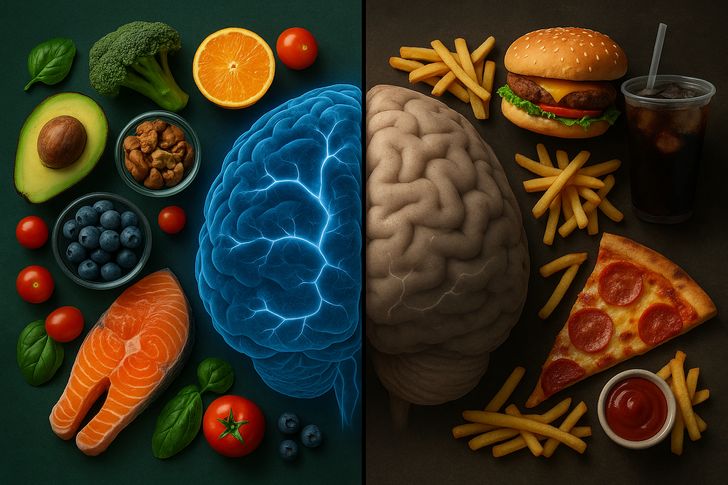
Fast food does not only affect the body. It also harms the brain. Studies show that diets high in sugar and processed ingredients may reduce cognitive function and weaken brain function over time. Many people experience poor concentration, low motivation, and even memory problems after consuming too much junk food regularly.
People who consume excessive fast food may also struggle with poor mental health, emotional eating, and junk food addiction. Constant sugar highs and crashes trigger mood swings, anxiety and stress, and even depressive symptoms. A poor diet can also disturb sleep quality and reduce overall mental wellness.
How Fast Food Affects Skin, Bones, and Overall Body Health
Fast food often triggers visible body changes, especially on the skin. Oily burgers, fries, and sugary snacks increase inflammation inside the body. Many dermatologists link high glycemic foods and greasy meals to acne breakouts and other skin problems. These foods are considered common acne causes among teenagers and young adults.
Fast food also weakens the skeletal system because it lacks calcium and healthy nutrients needed for strong bones. Too much sugar damages tooth enamel while poor nutrition reduces bone density and healthy muscle mass. Long-term poor eating habits can even weaken the immune system and lower overall energy levels.
Long-Term Health Risks of Eating Fast Food Regularly
Eating fast food occasionally may not be dangerous. However, daily intake can create serious long-term damage. Continuous exposure to unhealthy fats and sugars increases the chances of type 2 diabetes, fatty liver disease, obesity, and severe heart disease. Many people also develop long-lasting respiratory problems because excess body weight puts pressure on the lungs.
Researchers also believe fast food may negatively affect the reproductive system, hormonal balance, and fertility health because many meals contain chemicals and preservatives. Over time, these foods weaken body performance and increase dependency on medications. The result is a lower quality of life and higher future medical expenses.
How Often Is It Safe to Eat Fast Food?
Health experts believe moderation is the key. Eating fast food once in a while usually does not create serious harm if the rest of your meals contain nutritious foods. Problems begin when restaurant meals become part of daily life. Frequent intake of fried items and sodas increases unhealthy cravings and promotes poor eating habits.
People can reduce health risks by choosing grilled items instead of fried foods and replacing soft drinks with water. Small changes create better healthy eating habits and support a more balanced diet. Families should also encourage children to eat homemade meals more often to avoid future health complications.
Tips to Reduce Fast Food Consumption and Eat Healthier
The easiest way to reduce fast food intake is to prepare simple homemade alternatives. Homemade wraps, grilled sandwiches, fruit juices, and baked snacks are healthier and cheaper options. Cooking at home allows better control over oil, salt, and sugar levels while reducing dependence on unhealthy convenience meals.
Regular exercise, better sleep, and meal planning also improve health significantly. People who stay active and drink enough water usually experience fewer cravings for junk food. Replacing unhealthy snacks with fruits and nuts can improve energy levels and protect the body from future diseases.
Conclusion
Fast food may look harmless, but frequent consumption slowly damages almost every part of the body. From obesity and diabetes to mental health struggles and heart disease, the risks are serious and long-lasting. Most fast food meals contain unhealthy ingredients that provide temporary satisfaction but very little nutrition.
Choosing healthier foods today can protect your future health. A nutritious diet, regular activity, and mindful eating habits help the body stay strong and energetic. Occasional fast food is acceptable, but balance and moderation remain the smartest choices for a healthier life.
FAQs
Why is junk food unhealthy for class 5?
Junk food is unhealthy because it contains too much sugar, salt, and unhealthy fats. It gives very little nutrition and can make children weak, tired, and unhealthy.
Why should we avoid junk food 10 points?
We should avoid junk food because it can cause obesity, diabetes, heart problems, weak bones, tooth decay, poor digestion, low energy, skin issues, poor concentration, and unhealthy eating habits.
What are 10 negative effects of eating fast food?
Fast food can cause weight gain, high cholesterol, high blood pressure, diabetes, heart disease, digestive problems, weak immunity, acne, fatigue, and poor mental health.
Can junk food increase cholesterol?
Yes, junk food can increase cholesterol because it contains unhealthy fats and processed oils that raise bad cholesterol levels in the body.
Why do teenagers eat junk food?
Teenagers often eat junk food because it is tasty, cheap, quickly available, and heavily promoted through social media and advertisements.
